
Humanership Institute
Humaner Skills
The Humaner skills framework describes what the Institute helps develop: knowing and governing oneself, relating to others, helping others grow, carrying a community and passing on. It connects personal, relational, collective and professional development within one human standard.
The compass
The five foundations
01
Dignity
A human being is never a means.
02
Responsibility
To lead is to take responsibility for the space you create for others.
03
Growth
Leadership must create the conditions for growth.
04
Service
To serve does not mean to disappear. It means putting your role at the service of a purpose that exceeds your own status.
05
Transmission
Leadership that passes nothing on creates dependency.
The five foundations are the public compass of Humanership. They are distinct from the ten skill families, which describe what is developed, and from the cross-cutting methodological dimensions used to design each programme.
The framework
The ten skill families
Each family brings together concrete skills and possible tools. Open a family to read the details.

01 · Governing oneself
Self-awareness and personal mastery
Developing self-knowledge, recognising one's emotions, understanding one's reactions and learning to act with discernment. This family invites each person to cultivate inner balance, the ability to step back, and coherence between their convictions, their words and their actions.

02 · Helping others grow
Communication, listening and presence
Communicating with clarity, listening attentively and offering others genuine presence. It means choosing the right words, understanding before responding, and creating the conditions for respectful, constructive and meaningful dialogue.

03 · Helping others grow
Human relationships and building trust
Building relationships grounded in dignity, respect, reliability and reciprocity. This family explores the behaviours that strengthen trust, make it possible to work through disagreement, and contribute to lasting human relationships.
04 · Helping others grow
Revealing potential and developing talent
Recognising each person's potential and creating the conditions that allow it to develop. This family covers guidance, feedback, learning, autonomy and people's progress, without confusing helping someone grow with deciding in their place.
05 · Governing oneself
Vision, meaning and direction
Giving direction to one's choices and connecting daily actions to a meaningful intention. This family helps clarify convictions, discern priorities and build a coherent path, whether individual or collective.

06 · Governing oneself
Organisation, structure and execution
Turning intentions into concrete action through clear objectives, defined responsibilities and fitting organisation. This family combines rigour, the capacity to execute and continuous improvement, in service of people and of the intended results.
07 · Passing on
Collective dynamics and community development
Fostering engagement, cooperation and the capacity of groups to act. This family focuses on understanding human contexts, building collective dynamics and developing communities able to pursue a shared ambition over time.
08 · Governing oneself
Responsibility, ethics and discernment
Owning the consequences of one's decisions, acting with integrity and exercising one's responsibilities with respect for human dignity. This family develops the capacity to examine situations lucidly, recognise dilemmas and choose a just course of action, even when decisions are difficult.
09 · Passing on
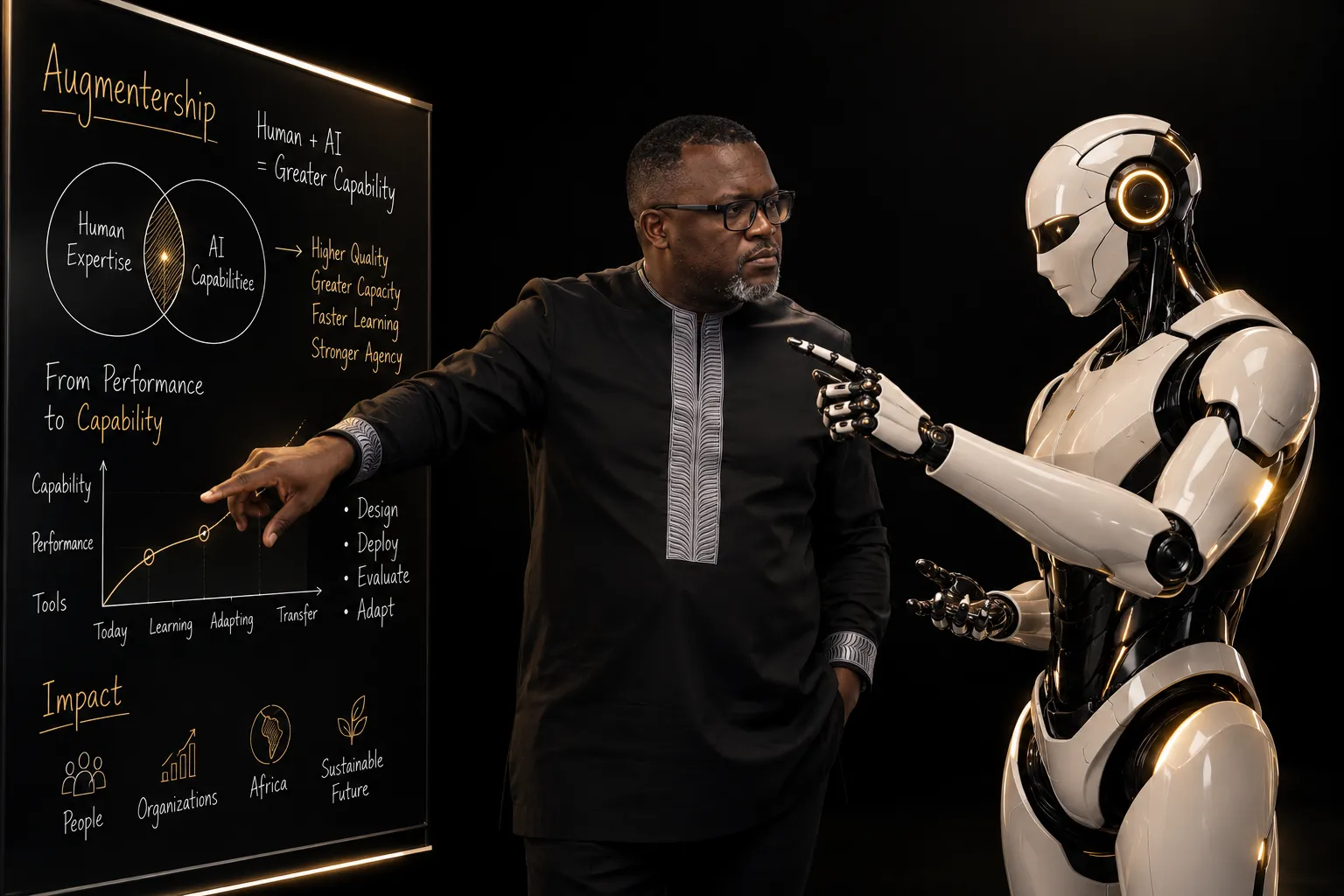
Augmentership and mastery of digital tools and AI
Using digital tools and artificial intelligence to augment human capabilities, support learning and improve the quality of work. Augmentership places autonomy, discernment and responsibility at the heart of the relationship between human beings and technology.
10 · Passing on
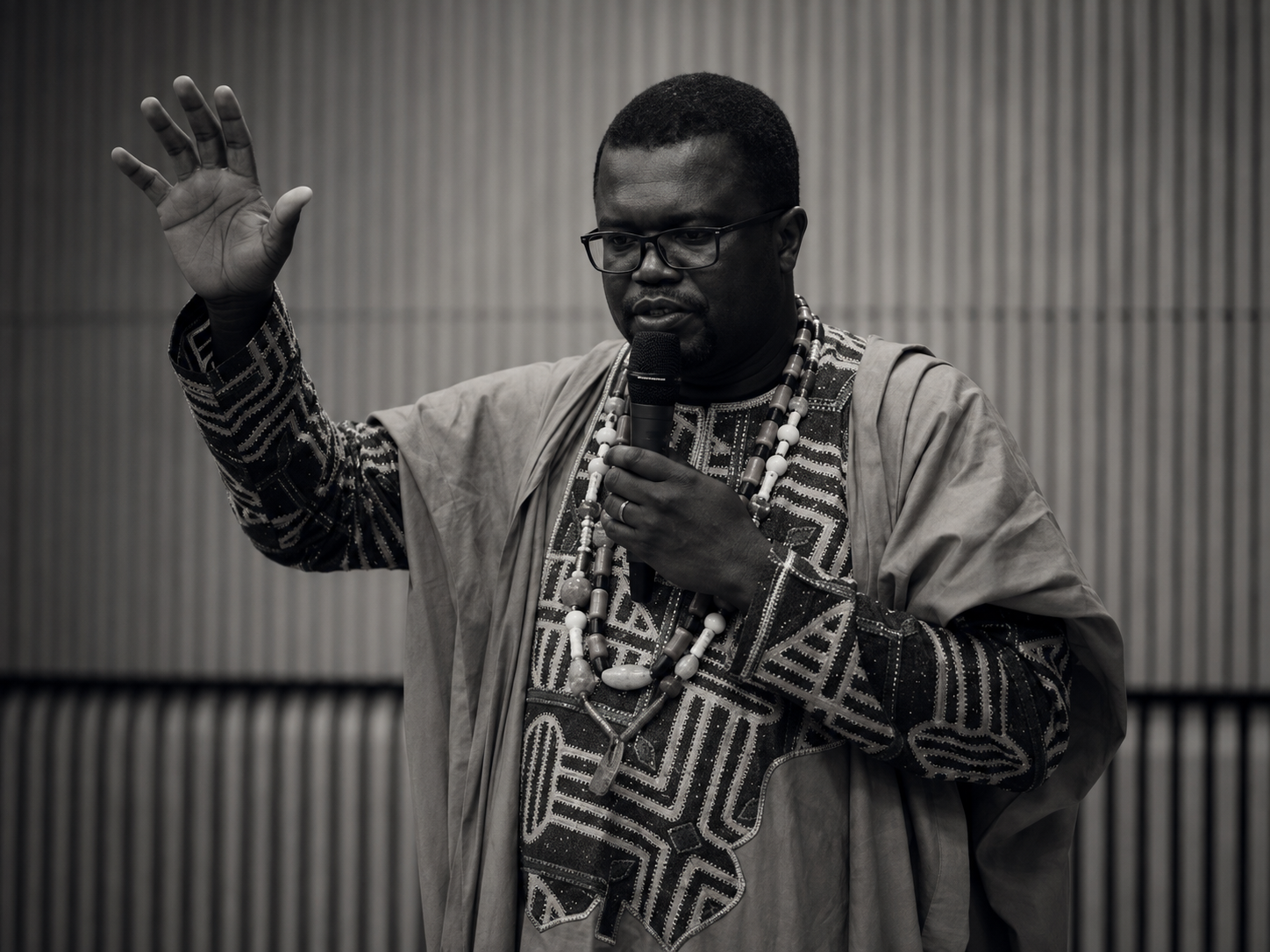
Creating environments where people flourish
Creating environments in which people can contribute, learn, take initiative and develop their capabilities. This family addresses the relational, organisational and collective conditions that foster dignity, trust, engagement and lasting development.